When you’ve practiced yoga for as long as Tanya Kocsis has, over 20 years, and has taught for over 10, it’s hard for her to remember a time she wasn’t practicing yoga. As a person who has always been active with many different sports, it wasn’t until her twenties that she was introduced to yoga, through watching her mom doing a yoga class in front of PBS. Although they hadn’t discussed it, Tanya shares that her mom was taking a reprieve from her daughter and son who kept her busy and on her toes.
Tanya remembers that she got her start after college, it was an exciting time, but didn’t know who she was yet. She didn’t feel like an adult, but felt she needed to be an adult. We’ve all been there.
The temperatures may be coming down in the up coming days, but throughout the rest of the summer, the temperatures will continue to climb. We still need to do our daily routines like going to work, taking the kids to school, running errands, and managing things at home.
As sweat evaporates from the skin, it removes heat, but in the process we lose water and electrolytes. We hear the word electrolytes thrown around a lot, especially in sports, but has anyone ever told you what our electrolytes really do for us, and what can happen if they are lost and not replenished? Electrolytes help regulate hydration, nerve signaling, muscle contraction, blood pressure and normal heart function,. When there is an imbalance, it can show up in several ways: muscle cramps, weakness or fatigue, headache, dizziness or lightheadedness, nausea, compromised exercise or physical performance, confusion or difficulty concentrating. In severe cases, even abnormal heart rhythms or seizures can occur.
Music has been around for thousands of years. It entertains us, energizes us during workouts, brings people together to celebrate, and comforts us when we are having difficult times. Research shows that music can have meaningful effects on physical and mental health.
One of music’s most well-known benefits is its ability to lower stress. Listening to calming music has been shown to decrease cortisol, our body’s primary stress hormone, while slowing our heart rate and breathing. Think about the times you listen to music throughout your day- maybe while you’re getting ready for work, or in the car during your commute, maybe at night time when you’re eating dinner. Listening to relaxing music 10-15 minutes can bring a sense of calm during your busy day.
Music has been around for thousands of years. It entertains us, energizes us during workouts, brings people together to celebrate, and comforts us when we are having difficult times. Research shows that music can have meaningful effects on physical and mental health.
One of music’s most well-known benefits is its ability to lower stress. Listening to calming music has been shown to decrease cortisol, our body’s primary stress hormone, while slowing our heart rate and breathing. Think about the times you listen to music throughout your day- maybe while you’re getting ready for work, or in the car during your commute, maybe at night time when you’re eating dinner. Listening to relaxing music 10-15 minutes can bring a sense of calm during your busy day.
Mentally, music can improve our mood, reduce our anxiety, encourage relaxation, and even promote emotional resilience.
As spring turns to summer, many people experience ongoing congestion, sinus pressure, post-nasal drip, sneezing, headaches, or difficulty breathing clearly. What used to feel seasonal is becoming more chronic for many patients.
We’re seeing growing interest in understanding why sinus and airway inflammation is becoming so common, and how integrative, non-invasive approaches may help support overall wellness alongside conventional care.
Did you know that ASL- “American Sign Language” is the third most spoken language in the U.S.? We sat down with Mary Jane Grine, a CODA (child of a deaf adult) who began interpreting as young as she can remember for her mom. We learned so many heartwarming, funny, and not so funny stories about Mary Jane interpreting for her mom, which we may share in another blog or through our social media platform soon! It is no surprise, given her caring nature for her mom, that she has been working in higher education most of her adult life. Currently she is the Executive Assistant/Building Supervisor at Harvard Medical Library. Her lifelong firsthand experience offer a powerful window into what Deaf patients need during medical care, which she recently put to use by teaching Harvard students how to better work with Deaf patients in the medical setting.
For decades heart health advice centered around eating a healthy diet and including regular exercise in your weekly routine. Eating right and exercising is still important when it comes to taking care of your heart. Emerging research, however, tells us a much bigger picture, as we have come to realize that everything is connected.
Our heart is deeply connected to the nervous system, gut microbiome, our muscular strength, our sleep and emotional well-being. New findings show that mental stress can influence inflammation, our gut bacteria affects cardiovascular risk, our muscles protect our blood vessels, and our heart repairs during sleep. So what can we do?
Most of us associate the word “bitter” with unpleasant flavors — but in the body, bitterness is actually a biological signal for health. Long before modern nutrition science, traditional cultures valued bitter foods and herbs for digestion, appetite balance, and overall wellness. Today, science is catching up.
At the center of this connection are bitter taste receptors — powerful sensory receptors that do far more than help us taste food.
To help us get a better sense of what this means, we looked to someone who specializes in nutrition. We recently hosted an educational webinar with guest speaker, Carolyn Brown, licensed nutritionist and co-founder of Indigo Wellness Group based in Connecticut. She had some things to say about our bitter receptors that exist not only in our mouth, but throughout our entire gastrointestinal tract. They exist in the gut and intestines, the stomach, the pancreas, our lungs, the immune system and even in fat tissue.
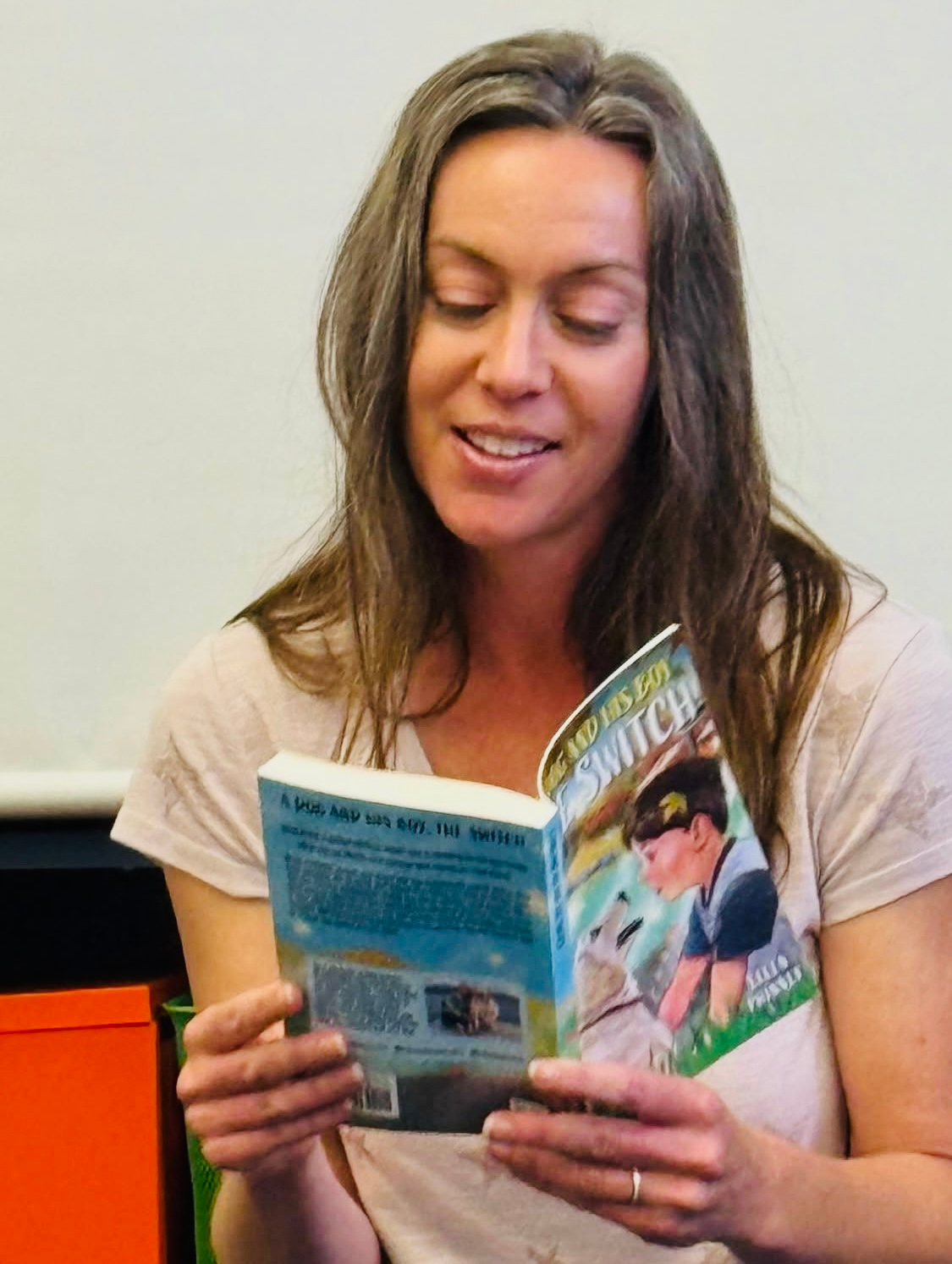
I had the pleasure of speaking with Ellen Phinney, author and entrepreneur, about the power of reading. Ellen and I met through work years ago, and discovered we both find joy in health and wellness, particularly when it comes to mindfulness, including activities like yoga, meditation and running. She is also an avid reader and writer and recently wrote & published a book for young readers called A Dog and His Boy- The Switch.
For over two decades, following a study run by the Women’s Health Initiative (WHI) regarding the role of estrogen and progestin in women, the FDA placed a black box warning on Hormone Replacement Therapy (HRT) products for menopause, noting risk of cardiovascular disease, breast cancer and dementia.
Ever since my teenage years, I’ve been a devoted thrifter. Salvation Army, Goodwill, local secondhand shops—you name it, I was there. While others rushed to grab the newest gadgets, I was rarely an “early adopter“. Why spend $30 on a brand-new shirt when a $3 thrifted find could stretch my budget further set and me…