

New Heart Connections
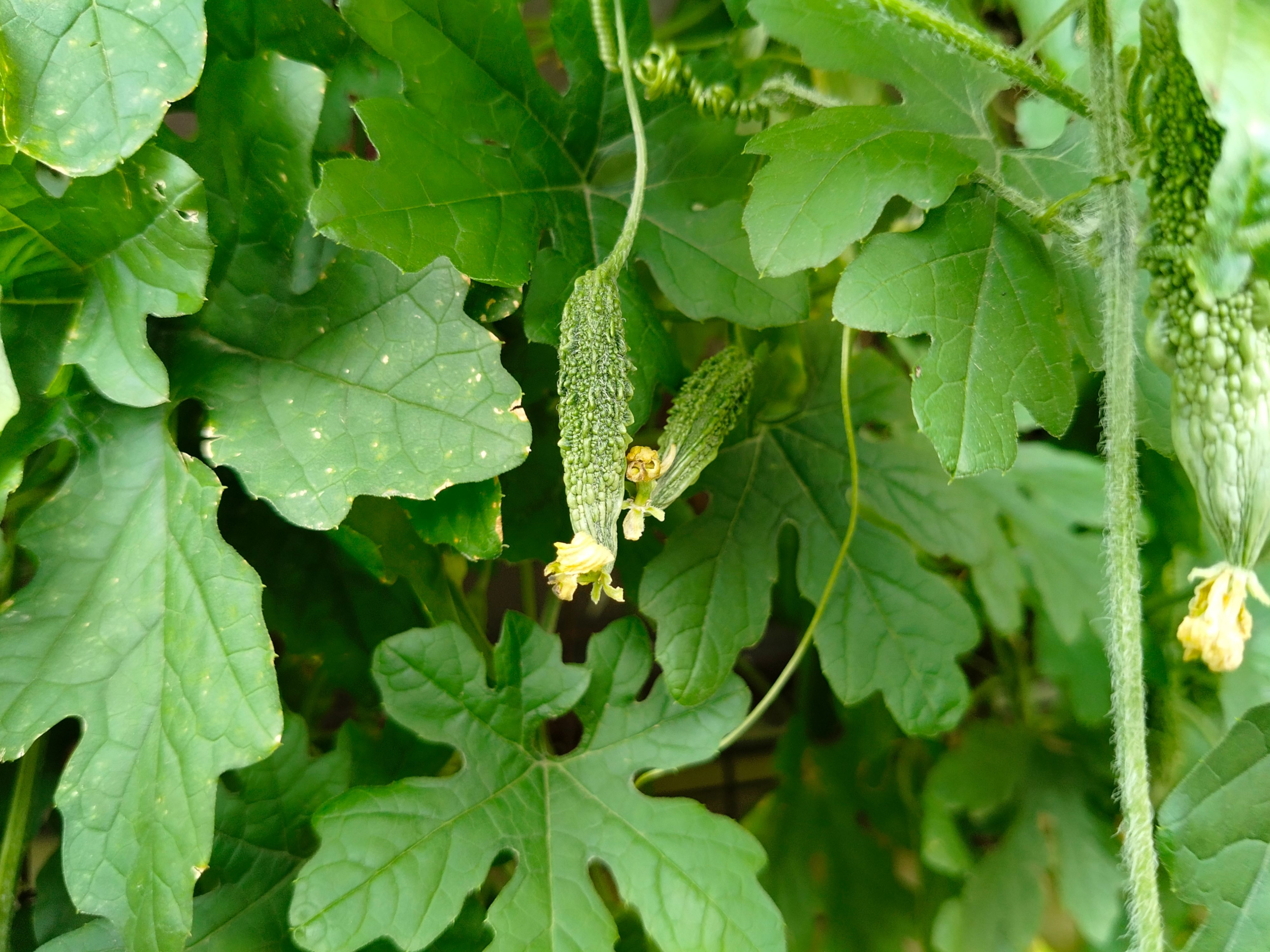
Most of us associate the word “bitter” with unpleasant flavors — but in the body, bitterness is actually a biological signal for health. Long before modern nutrition science, traditional cultures valued bitter foods and herbs for digestion, appetite balance, and overall wellness. Today, science is catching up.
At the center of this connection are bitter taste receptors — powerful sensory receptors that do far more than help us taste food.
To help us get a better sense of what this means, we looked to someone who specializes in nutrition. We recently hosted an educational webinar with guest speaker, Carolyn Brown, licensed nutritionist and co-founder of Indigo Wellness Group based in Connecticut. She had some things to say about our bitter receptors that exist not only in our mouth, but throughout our entire gastrointestinal tract. They exist in the gut and intestines, the stomach, the pancreas, our lungs, the immune system and even in fat tissue.
She pointed out that their job is not just for taste, but as you get further down the GI tract, it’s about sensing and signaling and turning on a cascade of hormones that happens. When the bitter receptors down your gut are activated they regulate your digestion and overall appetite. They will slow down gastric emptying and allow you to be more satisfied with a little less food. Slowing down gastric emptying helps you feel full longer, stabilizes your blood sugar, reduces overeating, and prevents rapid hunger rebounds. Essentially they are going to increase those satiety hormones including GLP-1 (satiety hormone), CCK(digestive enzyme stimulation + fullness), and PYY (appetite suppression). She tells us too that this can all happen without food necessarily even tasting bitter.
One example she mentioned was how they traditionally prepare foods in Italy. In Italy, when they are serving lunch or dinner, they usually have arugula first before you have your meal. Arugula is considered a bitter food. Other bitter foods, such as herbs we add to our foods include dandelion root, endive, parsley, thyme, and oregano. She suggested thinking less of these foods as just a garnish and more of a main event in our food. There’s also bitters that are often added to sparkling water. These activate your satiety receptors and your digestive enzymes which help us break down and absorb food better.
We looked into a more comprehensive list of foods you can add to your diet. Vegetables including kale, broccoli, and mustard greens. Other herbs and roots include burdock root, turmeric and ginger. Fruits include grapefruit, green papaya, bitter melon, and citrus peel. Beverages include green tea, matcha and coffee. Dark chocolate (85%+ cacao), raw cacao and apple cider vinegar can also be added to the list.
We should pay attention to our overall lifestyle, including eating healthful foods and staying active, with some of those healthful foods including the bitter foods Carolyn mentioned in our talk. Another tool to help in sustainable weight management is a supplement called Calocurb. Calocurb uses Amarasate, a bitter hops from New Zealand, to help manage appetite and cravings, as it activates the bitter receptors in your body.
Food noise, which is the constant chatter in our minds about food, is just the thing we want to wrap our arms around and learn to manage. Approaching our lifestyle with more care towards healthy eating, exercise, including more bitter foods into our diet, and possibly trying Calocurb may be a way to help in doing this.
Related posts


